Planning a one-week trip to Italy can feel overwhelming because there is so much you could see. We knew we wanted to visit Venice, Florence and Rome, and we also had places like the Amalfi Coast and Dolomites on our list. With only one week, we had to decide what actually fit instead of trying to see everything.
We liked the idea of moving from city to city every couple of days. It gave us the chance to experience several different parts of Italy in one trip, but we also didn’t want to rush so much that we barely experienced each location
Our trip was pretty structured, but we never felt like we were running from one thing to another. Most of that came down to booking things ahead of time and being realistic about how much we could actually fit into each day.
Here is how we planned our trip and what we would recommend doing before you go.
In a Rush? Find Hotel Options Utilizing the Map.
1. Decide Which Cities Actually Fit Your Trip
We actually liked jumping from city to city every couple of days. It let us experience three very different cities in one trip instead of spending the entire week in one place.
The key was finding the balance. We wanted to move around, but we didn’t want to spend so much time traveling that we barely got to experience each location.
For us, Venice, Florence and Rome felt like the right combination for one week. We had enough time in each city to see the major things we wanted to see, explore on our own and get a feel for each place without feeling like we had just arrived and immediately had to leave.
We did consider adding the coast from Rome, but that would have made our time in Rome much more rushed. If we had an extra day or two, we could have added another destination, but we didn’t want to sacrifice the cities we had already chosen.
Pick the number of cities that still gives you time to actually experience each one.
2. Book Your Flights First
We booked our flights before planning the rest of the trip. We flew into Venice and home from Rome, which meant we could move forward through Italy instead of backtracking.
We chose our flights based mostly on price and airline miles and booked directly through the airlines because we were more comfortable dealing directly with the airline if there were delays or changes.
We started planning in June for our October trip, and we recommend booking your flights at least three months before your trip when possible.
If you’re up for it, try to find a flight that gets you to Italy in the morning. We landed early enough that we still had most of the day ahead of us, which gave us a full first day in Venice instead of losing an entire day to travel.
Book your flights early, fly into one city and home from another when possible, and if you can, land in the morning so you still have most of your first day.
3. Book Your Hotels Immediately After Your Flights
Once we knew where we were flying in and out, hotels were next. We looked for convenient locations, breakfast, good prices and places with some character rather than just picking the cheapest option.
Venice: Hotel Arlecchino
In Venice, we stayed at Hotel Arlecchino near Piazzale Roma. This was one of our favorite hotels of the trip. It was small, had a lot of character, and the staff were incredibly friendly.
The location near Piazzale Roma was especially convenient because we could get close to the hotel with our luggage instead of trying to drag everything through a large part of Venice. The hotel is in the Santa Croce area and just a short walk from Piazzale Roma.
We would absolutely stay here again.
Florence: Hotel Alessandra
In Florence, we stayed at Hotel Alessandra, which is in the historic center and about a kilometer from the main train station. The hotel is in a historic building dating back to the 1500s, which gave it a completely different feel from our hotel in Venice.
Again, the staff were wonderful, and we would stay here again.
Rome: TriviHo Luxury Hotel
In Rome, we stayed at TriviHo Luxury Hotel. This one had a more modern feel, with contemporary design mixed with antiques and artwork. It was in a convenient location near the Trevi area and within walking distance of many of the places we wanted to see.
All three hotels had different personalities that fit their cities, which we really liked. They didn’t feel like generic hotel chains, and we really enjoyed the staff, especially in Venice and Florence.
One thing to pay attention to when booking hotels in older European buildings is the elevator situation. Some of ours were extremely small, and we ended up carrying luggage up stairs at times.
Look at location and character, not just price. A convenient hotel can save you a lot of time and walking.
4. Book Your Train Tickets Ahead of Time
Getting between our three cities by train was one of the easier parts of the trip.
We traveled from Venice Santa Lucia to Florence Santa Maria Novella, which takes roughly two hours on a high-speed train. From Florence Santa Maria Novella to Rome, the trip takes roughly an hour and a half. Italy’s official tourism site also confirms that high-speed trains connect the major cities, with both Italo and Trenitalia offering online ticket purchases.
We booked our train tickets ahead of time so we could choose departure times that worked with the rest of our itinerary. The stations were easy to navigate, with large departure boards, and there were designated areas for luggage.
You can book directly through Italo or Trenitalia.
Book your trains ahead of time so your travel days are already built into your itinerary.
5. Make a List of Everything You Want to See
Before assigning things to specific days, we made a list of the major attractions, tours and experiences we didn’t want to miss in each city.
We weren’t trying to plan every minute. We just wanted to know what mattered most so we could build our days around those things.
We researched the major attractions in each city, and one person in our group had also been to Italy before, so we had some personal recommendations to work from.
Figure out your must-see list first, then build your schedule around it.
6. Plan Your Days Around Both Location and Time
This was one of the biggest things that helped us build our itinerary.
Obviously, it makes sense to group things that are close together. But you also need to look at how long you actually want to spend at each place and how long your excursions will take.
For example, if you have an attraction that takes about two hours, that can pair really well with a half-day excursion. You still have time for lunch, walking around and exploring afterward. We wouldn’t try to schedule two separate half-day excursions on the same day because that starts to make the day feel rushed.
This is why it is important to check the length of an excursion before putting it into your itinerary. A two-hour attraction leaves you a lot more flexibility than a six-hour tour.
We also grouped nearby attractions together whenever we could. That saved us from wasting time walking back and forth across a city.
At the same time, don’t assume that a place being close on a map means you can get there instantly. Google Maps might tell you something is a 15-minute walk, but you may need extra time to find the entrance, figure out directions or locate your tour meeting point.
Look at both the distance and the time commitment. A short attraction can fit nicely with a half-day excursion, but long excursions need more room in your day.
7. Don’t Try to Do Too Much in One Day
Once we considered the length of our tours and the time it took to get between places, we generally planned for one or two major activities each day.
A typical day might be breakfast, a morning tour, lunch, another attraction in the afternoon, and then walking around, shopping or exploring afterward.
We counted a lot of steps.
It is tempting when planning a short trip to keep adding things because you don’t know when you’ll be back. But there is a point where you’re not actually experiencing the city anymore. You’re just checking things off a list.
Leave room in your day for walking, eating, shopping and discovering things you didn’t plan for.
8. Book Major Attractions and Tours Before You Leave
We booked the tours and attractions we planned to do ahead of time, and we were very glad we did. Popular attractions can have long lines, so having tickets in advance meant we spent very little of our trip waiting around.
We booked most things around four months ahead. If you’re traveling during a busier time of year, you may want to start even earlier.
The one exception for us was St. Mark’s Basilica in Venice. We booked a tour there, but afterward we felt like that was one attraction where we would have been fine walking through on our own. Other guided tours were much more valuable because the history and explanations made the experience significantly better.
If you already know you want to visit or tour something, book it before you leave rather than spending part of your trip standing in line.
9. Make Sure Everyone in Your Group Is on the Same Tour Reservation
If you’re traveling with other people, make sure everyone is actually booked on the same reservation.
People in our group occasionally booked the same excursion separately, assuming we’d automatically be placed together. Tour companies can have multiple groups doing the same excursion at the same time.
If you want to stay together, put everyone on one reservation.
10. Decide Which Things Are Worth Paying for a Guide
We did both guided and self-guided experiences.
For us, most of the tours were worth paying for because we wouldn’t have known nearly as much about what we were looking at without a guide.
The Colosseum and Vatican were good examples. You can walk through these places yourself, but having someone explain what you’re seeing and give you the history made the experience much more interesting.
On the other hand, we didn’t feel like every attraction needed a guide. David in Florence was something we were comfortable doing on our own as long as we had tickets ahead of time.
St. Mark’s Basilica was another example where we didn’t think the tour added enough to justify it.
Pay for a guide when the history adds to the experience, but don’t assume every attraction needs one.
11. Research Restaurants Before You’re Hungry
This is one thing we would definitely do differently next time.
We didn’t really research restaurants before our trip. After spending hours walking around and doing tours, we were usually tired and hungry, so we ended up eating somewhere convenient.
We even asked a taxi driver for a recommendation once, but the places he suggested were farther away from where we were, so we ended up eating somewhere closer.
We realized afterward that we ate at plenty of tourist-oriented restaurants.
Next time, we would research a few restaurants in each area before the trip. You don’t have to plan every meal, but having a short list of places you actually want to try is much better than making the decision when you’re starving.
Have a few restaurants researched in each city before you go so you aren’t choosing dinner based on whatever is closest when you’re exhausted.
12. Budget for the Little Expenses That Add Up
Italy was more expensive than we expected, so make sure your budget includes more than flights, hotels and tours.
Tourist taxes at hotels were one expense that caught us off guard. We also spent money on taxis, food and souvenirs.
Walking helped us save money on transportation, and we found that we could use credit cards almost everywhere. Still, keep some small euro bills and coins with you.
Public restrooms are not usually free, and you’ll often need a small amount of cash to use them. When you’re walking around all day, this is one of those expenses you don’t think about until you suddenly need a bathroom.
Carry some small euros with you because you’ll need cash for little things, including public restrooms.
13. Have an Idea of What Souvenirs You Want
We didn’t want to come home with a suitcase full of random trinkets just because we happened to walk past a souvenir shop.
There are shops everywhere in Venice, Florence and Rome, and a lot of them sell similar, cheaply made souvenirs. Instead, we had a general idea of what each area was known for and what we might want to bring home.
In Venice, we knew we wanted Murano glass and Burano lace. In San Gimignano, we looked for clay and ceramic pieces, and in Florence we kept an eye out for leather goods.
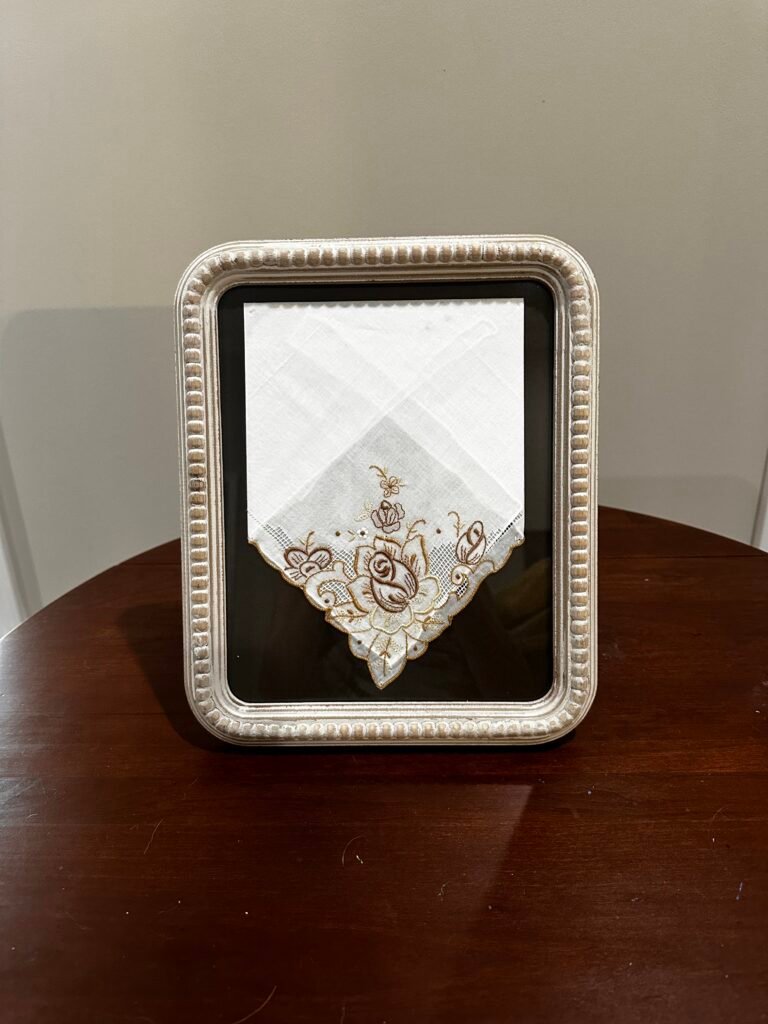
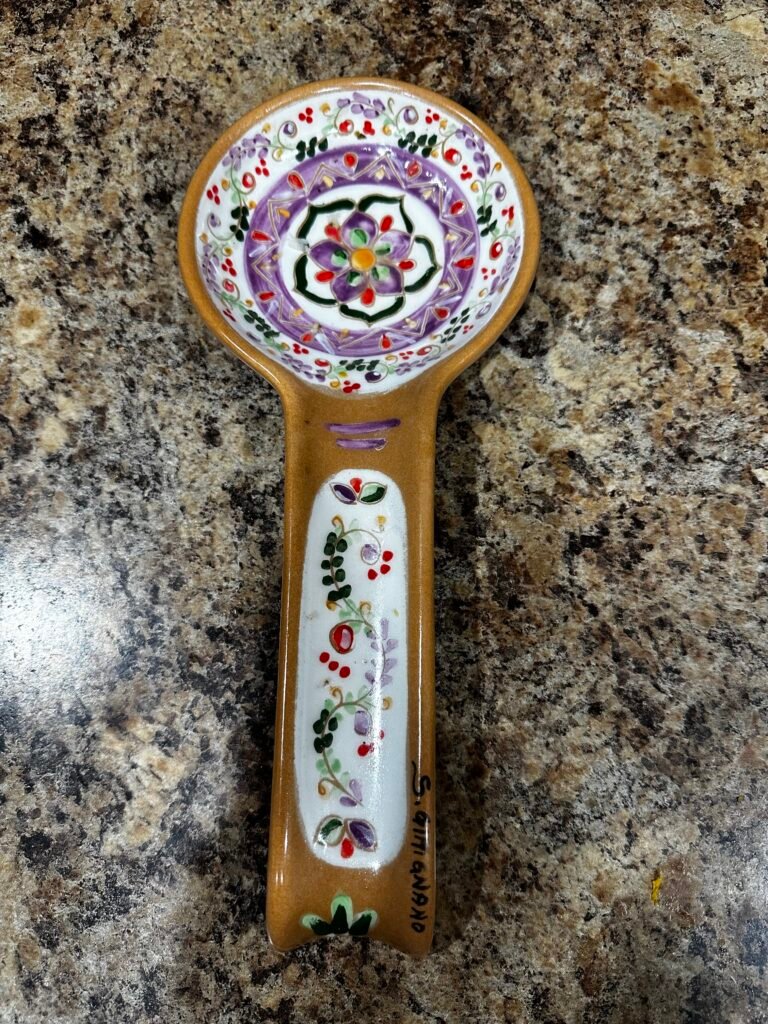
That didn’t mean we had every souvenir planned before we arrived. We still looked around and bought things that caught our attention. It just gave us a starting point when we were surrounded by shop after shop.
For us, that made the souvenirs feel more connected to the trip. We knew we wanted things that reminded us of the places we visited instead of just buying something because it was there.
Have a general idea of what each area is known for, but leave yourself room to find something unexpected.
14. Pack for Walking and Changing Weather
Comfortable shoes are probably the most important thing you can pack for this trip.
We walked a lot every day, and October weather could change throughout the day. Mornings and evenings were chilly, while afternoons could be much warmer, especially in Rome.
Bring a portable battery for your phone because you’ll probably use it constantly for maps, tickets and directions.
And actually check that you packed the rain jacket you think you packed. I thought I had one and discovered I had packed a windbreaker instead. I found that out the hard way when we got caught in the rain in Tuscany.
A backpack and carry-on-size suitcase worked well for us, and the lighter you can keep your luggage, the easier it is when you’re dealing with trains, stairs and older hotels.
Pack for walking first, then add layers and weather protection for the time of year you’re visiting.
Planning Made the Trip Easier
Our biggest takeaway from planning Italy was that you don’t need to plan every minute of your trip, but you do want to make the important decisions before you get there.
Knowing which cities we wanted to visit, booking our hotels and trains, getting our major attractions and tours reserved, and understanding how much time everything would take meant that once we arrived, we could actually enjoy ourselves.
We still had plenty of moments where we wandered into a shop, stopped for gelato, took a wrong turn or found something we hadn’t planned on. Those ended up being some of our favorite parts of the trip.
For a one-week trip, the planning is really about creating enough structure to make sure you see what you came for while leaving enough room to actually experience Italy along the way.